Outdoor furniture has a harder life than indoor furniture. It faces sun, rain, wind, dust, and changes in temperature, often for months at a time. Choosing well does not mean buying the most expensive set you can find. It means matching the furniture to your space, your climate, and the way you actually use your patio or garden.
This guide covers sofas, dining sets, sun shades, and hammocks in general terms, and explains how materials and simple weather care can help outdoor furniture stay comfortable and attractive for longer.
Start with how you use the space
Before choosing furniture, think about what you do outdoors most often. Do you eat most meals outside in summer, read in a quiet corner, or gather with friends in the evening? A dining set suits regular outdoor meals, while a sofa or lounge chairs suit relaxing and conversation. Many homes benefit from a small dining setup and a separate relaxing corner, rather than one large set that does everything poorly.
Measure your patio or garden area, including paths and doorways, and leave room to walk around furniture and pull out chairs. A set that looks good in a showroom can feel crowded on a small patio. Sketch a simple plan, even on paper, and check that chairs can be pulled out and that a table does not block a path or a gate.
Outdoor sofas and lounge seating
Outdoor sofas can turn a patio into a second living room, especially when paired with a low table and soft cushions. Look for frames that feel sturdy and stable, and cushions that can be removed for cleaning or storage. Removable cushion covers make everyday care much easier, particularly after rain or dusty days.
Think about shade and sun as well. A sofa in full afternoon sun may become too hot to use, while a sofa in a shaded corner may be used more often. If your patio is very sunny, a shade solution or a movable chair may be more practical than a fixed sofa in the brightest spot.
Dining sets for everyday and gatherings
A dining set should suit both everyday meals and occasional gatherings. A table that seats your household comfortably, with room for one or two guests, is often more useful than a very large table that is rarely full. Chairs should be comfortable enough to sit in for a meal, not just to look at, and they should be easy to move and store.
If space is tight, consider a folding or extendable table, or a round table that makes conversation easier. For larger gardens, a rectangular table can seat more people and works well for shared meals. Whichever shape you choose, check that the table height works with the chairs, and that there is space for serving dishes in the centre.
Sun shades and shelter
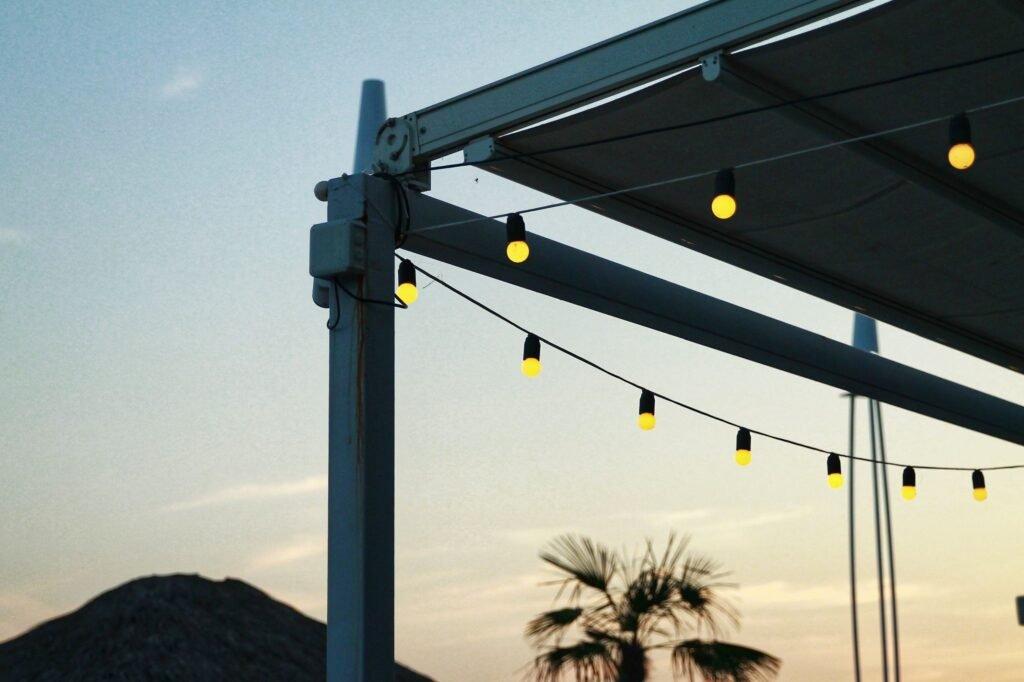
Sun shades make outdoor furniture far more usable. A parasol, a shade sail, or a pergola can provide relief on hot days and protect cushions from constant sun. A movable parasol is flexible, because you can shift it as the sun moves. A fixed shade structure offers more consistent cover, but it needs a suitable location and secure installation.
When choosing shade, think about wind as well as sun. Lightweight shades should be secured or taken down in strong wind, and any structure should be installed according to its instructions. Shade also helps furniture last, because cushions and surfaces are not exposed to sun all day.
Hammocks and relaxed seating
Hammocks offer a relaxed way to enjoy a garden, and they take up little space when not in use. A hammock needs strong, safe anchor points, whether trees, posts, or a stand, and enough clear space around it to swing gently without hitting furniture or plants. Check weight limits and the condition of ropes and fabric regularly.
If you do not have suitable anchor points, a hanging chair or a simple lounge chair can give a similar feeling of relaxation with less installation. As with other outdoor furniture, choose a spot that is comfortable at the time of day you are most likely to use it.
Materials and weather care in general terms
Different materials behave differently outdoors. Wood can look warm and natural, but it usually needs regular cleaning and occasional treatment to stay in good condition, depending on the type of wood and your climate. Metal frames can be strong and stable, but they should be checked for rust, especially at joints and where water collects. Woven or rattan-style furniture can be comfortable and light, but it should be kept clean and protected from prolonged damp.
Plastic and resin furniture is often light and easy to clean, but it can fade or become brittle with long sun exposure. No material is completely maintenance-free outdoors. The best approach is to learn the basic care for the material you choose, clean it regularly, and store cushions and smaller items under cover when they are not in use.
Simple habits that help furniture last
A few habits can extend the life of most outdoor furniture. Brush off leaves and dust regularly, wipe surfaces after rain, and dry cushions before storing them. Use covers during long wet or winter periods, but check underneath occasionally so trapped moisture does not cause problems. Store furniture in a shed or garage during harsh weather if you have space, or at least move it to a sheltered spot.
At the start of each season, check screws, joints, and fabric for wear, and tighten or repair what you can before problems grow. Small repairs early are usually easier than replacing a whole set later.
Choosing with comfort in mind
Comfort matters as much as durability. Sit on a chair or sofa before buying if you can, and think about how long you will sit there. A deep sofa may look inviting but can be hard to get out of, while a very upright chair may be tiring for long meals. Cushions should support you without feeling too soft or too firm, and they should be easy to clean.
Finally, choose a style that fits your home and garden, rather than following a trend that may not suit your space. Calm, simple designs tend to age well and work with plants, paving, and other outdoor features.
Conclusion
Choosing patio and garden furniture that lasts starts with honest planning: how you use the space, how much room you have, and how much care you are willing to give. Match sofas, dining sets, shades, and hammocks to those needs, learn the basic care for your chosen materials, and protect furniture from the worst weather. With those steps, your outdoor space can stay comfortable, welcoming, and ready to enjoy season after season.