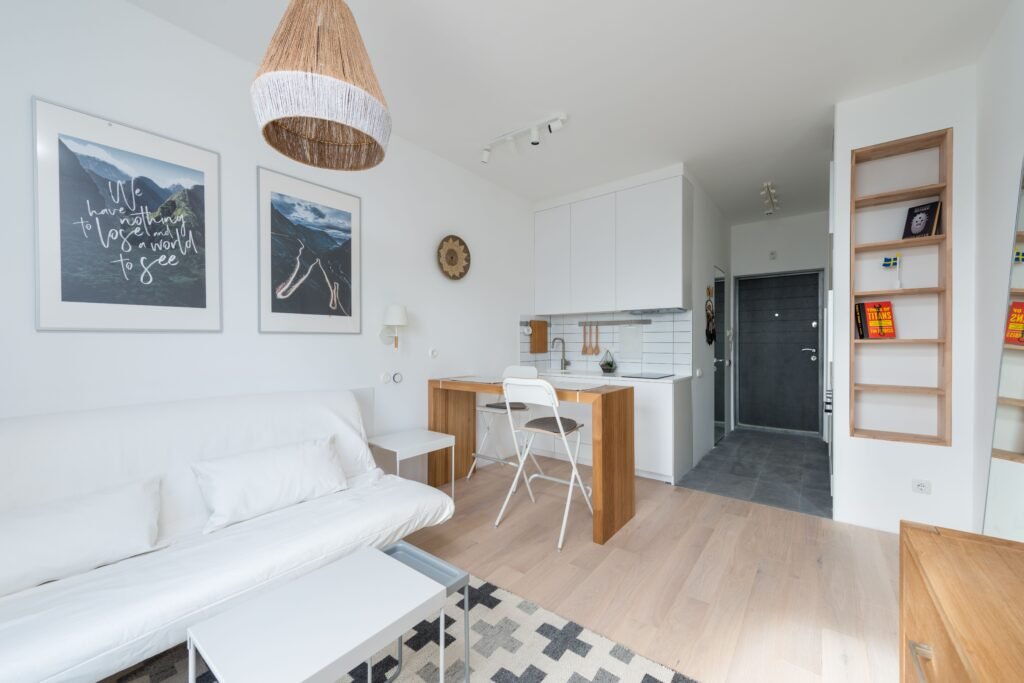
Most kitchens are asked to do a lot. They are places to cook, eat, work, help with homework, and welcome friends, often all in the same day. When a kitchen feels crowded or awkward, the problem is rarely a lack of style. More often, the layout, storage, and dining setup are working against the way you actually live. The good news is that you do not need a full renovation to make a real difference. Small, thoughtful changes can make cooking calmer, cleanup faster, and everyday meals more enjoyable.
This guide shares eight practical kitchen and dining ideas for everyday homes. Each one focuses on function first, then looks. Start with the change that solves your biggest daily frustration, and build from there.
1. Start with workflow, not decoration
Before you buy anything new, watch how you move through your kitchen for a few days. Notice where you stop, reach, bump into things, or carry heavy items across the room. In many homes, the most useful layout keeps the three main jobs close together: storing food, preparing it, and cooking it. You do not need a perfect triangle, but you do want a clear path between the fridge, the sink, and the stove, without a dining table or island blocking the way.
Keep the items you use for each job near that job. Everyday plates and glasses belong near the dishwasher or sink, not across the room. Cooking oils, spices, and utensils belong near the stove. Breakfast items can live together in one cupboard so mornings do not turn into a search. When each zone has what it needs, the whole room feels easier, even if nothing else changes.
2. Make storage work for the way you cook
Deep cupboards are common, but they can hide the very things you need. Items at the back are forgotten, and you may buy duplicates without realising it. Simple organisers can help: pull-out baskets, stackable shelves, and clear containers make it easier to see what you have. Label containers for dry goods such as rice, pasta, and flour, and keep a small basket for packets that tend to fall over.
Use the inside of cupboard doors for measuring spoons, small racks, or a simple list of pantry staples. Store heavy pots low, where they are safer to lift, and keep light, everyday items at eye level. If a cupboard is hard to reach, reserve it for things you use rarely, such as a large roasting pan or seasonal serving dishes. The goal is not perfect organisation. It is a kitchen where you can find things quickly and put them away without thinking.
3. Choose a dining setup that fits your space
For small spaces, a round table often works better than a rectangular one because it has no sharp corners and makes conversation easier. A table that can extend for guests, or fold against a wall when it is not needed, gives you flexibility without taking over the room. Benches can be a smart choice too, because they tuck under the table and seat more people than the same number of chairs.
In larger spaces, the challenge is different. A table that is too small can make a room feel unfinished, while a very long table can make everyday meals feel distant. Aim for enough elbow room for each person, and leave space to walk around the table without squeezing past chairs. If you have room for both, a small everyday table near the kitchen and a larger table for gatherings can be ideal, but most homes do better with one well-chosen table used in different ways.
4. Create a simple, welcoming table setting
A dining table does not need to be formal to feel inviting. A washable tablecloth or a set of placemats, a small plant or a bowl of fruit, and plates that you actually like using can change the mood of a meal. Keep the centre clear enough for serving dishes, and avoid tall decorations that block eye contact. For everyday meals, set the table in the same simple way each time so it becomes a habit, not a chore.
Think about light as well. If possible, place the table where it gets natural light during the day, and add a pendant light or a nearby lamp for evenings. A warm, comfortable setting encourages people to sit down together, even on busy weeknights.
5. Use organisation tools that save time
A few well-chosen tools can reduce daily friction. A cutlery tray that fits your drawer, a knife block or magnetic strip, and a utensil pot near the stove keep the most-used items within reach. A small tray on the counter can hold oil, salt, and pepper, so they are easy to use and easy to clean around. A recycling and rubbish station near the preparation area makes cleanup faster, especially after cooking.
Avoid buying organisers before you know what needs organising. Empty one drawer or cupboard at a time, keep only what you use, and then choose a container that fits the space. This approach saves money and prevents a collection of unused baskets and racks.
6. Improve the worktop without replacing it
Clear worktops make cooking feel calmer, but most kitchens need some items out every day. Choose a small number of useful, attractive items to keep on display, such as a chopping board, a plant, and a jar of wooden spoons. Move appliances you use only occasionally into a cupboard, and keep the kettle and toaster in a spot where they do not block preparation space.
If your worktop looks tired, a new chopping board, a fresh tea towel, and a tidy fruit bowl can refresh it at low cost. A splash of colour from a plant or a patterned cloth can also help, without the need for new cabinets or tiles. The aim is a surface that is ready to use, not one that looks empty in a photograph.
7. Add easy aesthetic upgrades
Small visual changes can make a kitchen feel new. Changing cabinet handles, updating a light shade, or adding open shelving for a few favourite bowls and cookbooks can lift the whole room. Choose one or two changes rather than many at once, and keep the colours calm and consistent so the room still feels restful.
Plants are an easy addition, as long as you choose varieties that suit the light and humidity in your kitchen. A herb pot on a windowsill is both useful and attractive, and it reminds you that the kitchen is a living, working room, not just a place to pass through.
8. Keep it maintainable
The best kitchen ideas are the ones you can maintain on a busy day. Build in five minutes of tidying after meals: clear the table, wipe the worktop, and put dishes in the dishwasher. Keep cleaning supplies together under the sink, and keep a cloth handy so spills are easy to deal with. When a system is simple, it is more likely to last.
Every few months, take a quick look at what is no longer used. Pass on duplicate gadgets and chipped items, and adjust storage as your routines change. A kitchen that works harder is not about owning more. It is about making space for the cooking, eating, and gathering that matter most.
Conclusion
A harder-working kitchen starts with honest observation, not a shopping list. Improve your workflow, store things where you use them, choose a dining setup that fits your room, and keep only the tools and decorations that earn their place. With those foundations in place, everyday cooking becomes simpler, meals feel more relaxed, and your kitchen can support the life you actually live in it.